Panel 2:
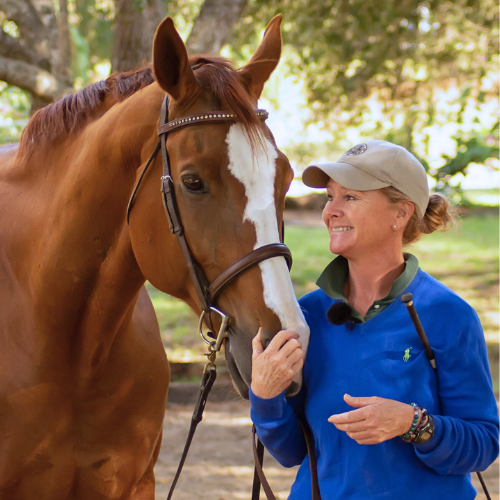
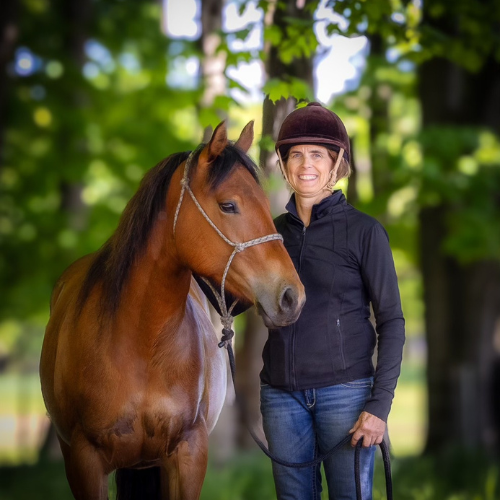
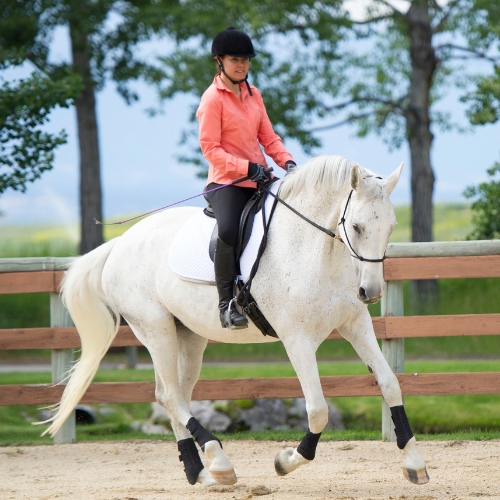
Kirsten Nelsen, Lynn Reardon
& Rachel Jessop
When It’s Not Working…
Is It Training, the Horse, or Something Else?
⭑ Explore Training, Riding, And
Horse Care From World Class Experts ⭑
Get Your Free Ticket!
It was such a pleasure to sit down with Rachel Jessop, Kirsten Nelsen, and Lynn Reardon for this thoughtful panel conversation about how horses communicate stress, discomfort, pain, confusion, and emotional overwhelm. Together, we explored the subtle signals horses often show long before bigger behaviors appear, and how learning to notice those early signs can help us respond with more understanding and less reaction.
Throughout the conversation, Rachel, Kirsten, and Lynn shared valuable insights into the many ways horses express what they are experiencing. From tail swishing and muscle tightness to changes in energy, expression, posture, and participation, this discussion invites us to slow down and become more curious about what our horses may be trying to tell us.
What I especially appreciated about this panel is the reminder that resistance is rarely simple. It may be physical, emotional, environmental, or connected to the nervous system. Instead of asking only, “How do I fix this?” this conversation encourages us to ask a deeper question: “What might my horse be experiencing?” That shift alone can open the door to more thoughtful training, stronger connection, and a more honest partnership.
Takeaways
☆ Opposite behaviors can come from the same underlying discomfort or stress
☆ Horses often communicate through subtle changes before bigger reactions occur
☆ The five defensive strategies include fight, flight, freeze, fawn, and shutdown
☆ Relaxation and nervous system regulation create the foundation for cooperation
☆ Resistance may be physical, emotional, or a combination of both
☆ Curiosity and observation help riders better understand patterns in their horse’s behavior
☆ Finishing on a positive note helps build confidence and trust for both horse and rider
☆ Horses are constantly aware of their environment and often notice things long before we do
☆ Slowing down and listening can strengthen partnership and communication
☆ There is no one-size-fits-all answer when working through challenges with horses
Chapters & Timestamps
00:00 | Understanding Horse Communication
08:14 | Identifying Defensive Behaviors in Horses
16:08 | Exploring Training vs. Pain Issues
27:00 | Navigating Challenges in Training
32:15 | Embracing the Journey with Horses
34:29 | Understanding Horse Behavior and Communication
38:50 | The Importance of Awareness and Curiosity
42:19 | Closing Thoughts and Reflections
Meet the Presenters
Learn more about the experts featured in this panel.