Panel 1:
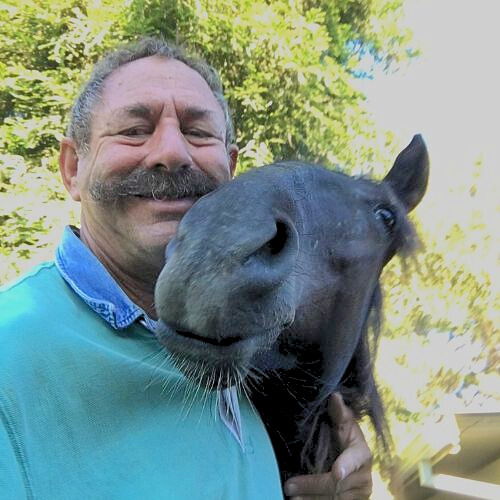
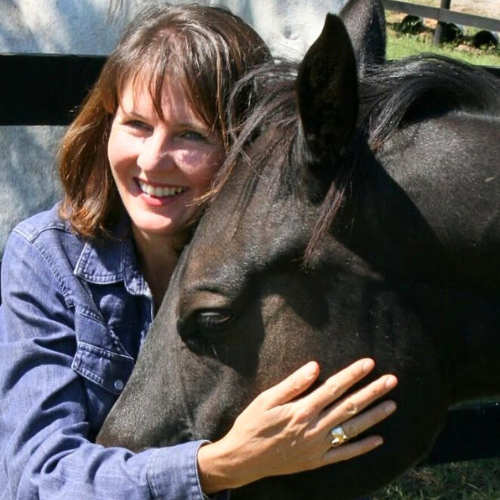
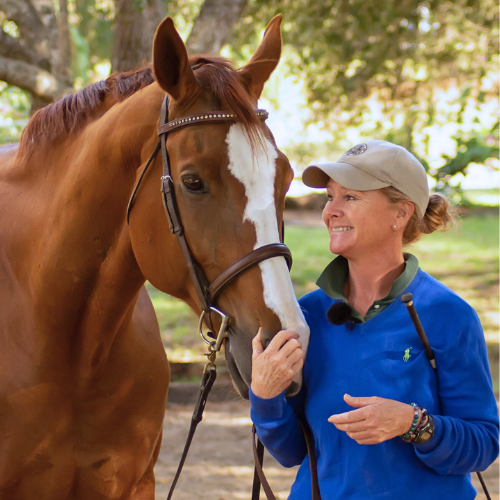
Kirsten Nelsen, Julie Robins
& David Lichman
There Is No One Right Way…
So How Do You Know What’s Right for Your Horse?
⭑ Explore Training, Riding, And
Horse Care From World Class Experts ⭑
Get Your Free Ticket!
It was such a thoughtful conversation sitting down with Kirsten Nelson, Julie Robins, and David Lichman to explore one of the biggest challenges many horse people face today, feeling overwhelmed by conflicting advice, different methods, and the pressure to “do things right.” In this panel discussion, we talk about what it really means to develop confidence in your own decision-making while still remaining open to learning and growth.
Throughout the conversation, we explore how understanding the horse’s nervous system can bring more clarity to behavior, training choices, and communication. Rather than chasing a perfect method, this discussion encourages a more grounded and thoughtful approach centered around observation, feel, safety, emotional balance, and learning to truly see the horse in front of you.
What I especially appreciated about this conversation is how honest and encouraging it feels. Each panelist brings a different perspective, while also reinforcing the idea that horsemanship is not about perfection or rigid rules. It’s about developing awareness, staying curious, and building the ability to make thoughtful decisions that support both horse and human along the journey.
Takeaways
☆ Understanding your horse’s nervous system creates clarity around behavior, not confusion
☆ Indecision often comes from too many options without a clear way to filter them
☆ You don’t need one method, you need a framework for understanding
☆ Observation is one of the most powerful tools you have as a horse person
☆ Feel and awareness matter more than perfectly applying a technique
☆ External pressure can pull you away from what you know is right for your horse
☆ Self-reflection, including video review, builds honest awareness without judgment
☆ Trusting your gut becomes easier when it’s supported by education and experience
☆ Horsemanship evolves over time, and your approach is allowed to evolve too
☆ Enjoyment and curiosity are not extras, they are essential to the process
Chapters & Timestamps
00:00 | Introduction and Panel Overview
00:00 | The Importance of the Nervous System in Training
01:25 | Balancing Different Training Philosophies
05:37 | The Role of Feel, Safety, and Comfort in Training
09:54 | Using Observation to Decode Horse Communication
14:16 | Handling External Pressure and Peer Influence
18:43 | The Importance of Self-Assessment and Video Review
22:49 | Trusting Your Gut and Making Educated Decisions
27:00 | The Evolution of Horsemanship and Partnership
31:19 | Encouragement to Enjoy the Journey and Stay Curious
35:50 | Final Thoughts: Embrace the Process and Keep Learning
Meet the Presenters
Learn more about the experts featured in this panel.